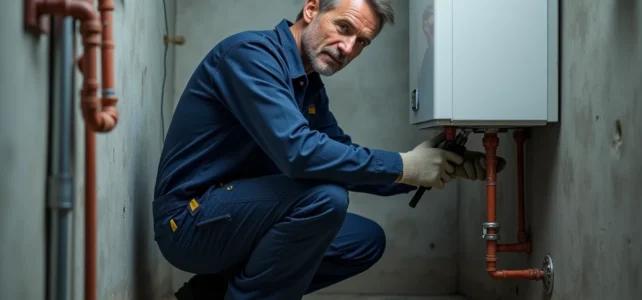
Decree No. 87-712 of August 26, 1987 remains the reference text for distributing rental maintenance charges, but its application to the water heater generates gray areas that neither tenants nor landlords fully understand. The distinction between routine maintenance, repair, and replacement due to wear directly determines who pays, and the amounts at stake often exceed what each party anticipates.
Water heater not mentioned in the lease: a legal blind spot
One point that most guides overlook: the tenant is only required to maintain the equipment expressly mentioned in the lease agreement. If the water heater or hot water tank is not listed in the inventory of the property’s equipment, there is no legal obligation for the tenant to maintain it, even if they use the device daily.
We regularly observe hastily drafted leases where only the boiler and ventilation system are listed. The electric tank, considered “obvious,” appears nowhere. In the event of a dispute over a breakdown, this drafting oversight benefits the tenant. The question of maintenance of the water heater tenant or owner is therefore first resolved by reading the lease, even before opening the Civil Code.
We recommend that landlords list each hot water production device by name in the lease, specifying its brand, capacity, and year of installation. This rigor avoids subsequent disputes.
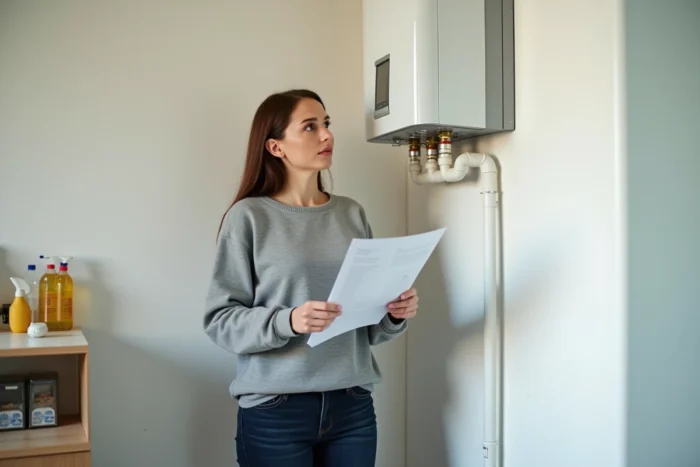
Routine maintenance of the electric water heater: no legal annual obligation
Unlike gas boilers that are subject to mandatory annual servicing, there is no text requiring periodic maintenance for an electric water heater. The 1987 decree places the responsibility for routine cleaning and the replacement of small parts (seals, fittings) on the tenant, but does not set any frequency.
In practice, the actions required of the tenant for an electric tank are limited:
- Operate the safety group (valve operation) to prevent blockage by limescale, ideally once a month
- Replace defective seals on the water supply fittings
- Clean any deposits around the device and check for visible leaks
Descaling the tank and replacing the anode (magnesium or titanium) are not tenant repairs. These interventions affect the structural functioning of the device and fall to the owner.
Gas and thermodynamic water heaters: distinct regimes
For a gas water heater, the situation differs radically. The law of July 6, 1989, and regulatory texts impose an annual mandatory maintenance obligation on the tenant. This servicing, performed by a qualified professional, includes checking combustion components, cleaning the burner, and verifying safety devices. The tenant must keep the maintenance certificate and present it upon the landlord’s request.
The thermodynamic water heater, on the other hand, operates in a regulatory gray area. There is currently no specific legal obligation for regular maintenance. However, if a breakdown is attributable to misuse or lack of routine maintenance, the repair or replacement costs may be passed on to the tenant. The burden of proof remains a delicate issue: without a maintenance log or invoices, the tenant finds themselves in a disadvantageous position.
What the tenant must document
Regardless of the type of energy, we recommend that the tenant keep any proof of maintenance: professional invoices, dated photos of the device, written exchanges with the landlord reporting a malfunction. These documents constitute the only effective protection in the event of a dispute over the attribution of a breakdown.
Breakdown and replacement of the tank: the boundary of wear
The distribution of responsibilities becomes complicated when the device breaks down. The principle is clear on paper: the replacement of a worn tank is the owner’s responsibility. Wear refers to normal deterioration due to time and proper use. A water heater has a lifespan that varies according to water quality and installation conditions, but the gradual degradation of the anode or limescale buildup on the heating element is not the tenant’s responsibility.
In practice, the disagreement revolves around the cause of the breakdown. Two recurring scenarios:
- The thermostat or heating element fails after several years of normal operation: repair or replacement is the owner’s responsibility, unless there is evidence of abnormal use
- The safety group has never been operated, causing overpressure and premature deterioration of the tank: the tenant may be held responsible for lack of routine maintenance
- A leak at the fittings not reported by the tenant, causing damage: the tenant’s responsibility is engaged for failure to report
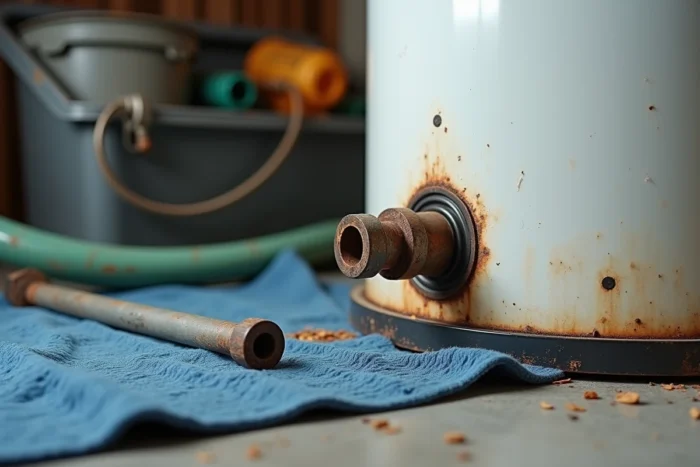
Decency obligation and owner’s intervention time frame
The housing must meet the decency criteria defined by law. The prolonged absence of hot water constitutes a breach of this obligation. The owner cannot leave a tenant without hot water production for an extended period under the pretext of a disagreement over responsibility. The tenant has recourse, including contacting the departmental conciliation commission or the judicial court.
Anticipating disputes: contractual clause and precise inventory
The majority of conflicts over the maintenance of the water heater in a rental property arise from an imprecise lease and a deficient inventory. The entry inventory must mention the apparent condition of the device, its approximate age if known, and the presence or absence of signs of corrosion or limescale.
A specific clause in the lease can specify the maintenance actions expected from the tenant (operating the safety group, reporting leaks) without transferring responsibilities that belong to the owner. This tailored drafting significantly reduces the risk of disputes and clarifies the distribution of responsibilities from the moment of signing.
The cost of replacing a tank remains significant, and disputes consume time for both parties. Formalizing respective obligations in the lease, documenting each intervention, and responding quickly to the first signs of malfunction remain the most concrete levers to avoid escalation.