
The term “pets” covers a specific legal reality in France: it refers to any animal kept by a person for their enjoyment, excluding agricultural production activities. This category includes dogs, cats, but also new pets (NAC) such as rabbits, ferrets, or certain reptiles. Each species falls under a distinct regulatory framework, with obligations for ownership, identification, and veterinary care that vary according to the classification of the animal.
Sanctions in pet shops: what the decree of August 1, 2026 changes
Since January 1, 2024, the sale of dogs and cats in pet shops has been banned in France. The issue remained the lack of deterrent penalties. The decree of August 1, 2026, fills this gap.
The sale or transfer, even free of charge, of a dog or cat in a pet shop now constitutes a 5th class offense. The fine can reach 1,500 euros per animal, and 3,000 euros in case of repeat offenses.
Another less publicized aspect: the display of animals visible from the street (across all species) becomes a 4th class offense, with a fine of up to 750 euros per animal. The goal is to cut off the mechanism of impulsive buying, often leading to abandonment a few months later.
To follow this type of regulatory news and access species-specific fact sheets, you can consult the Animal Time website, which gathers information categorized by animal type.
Dog, cat, NAC: legal obligations according to the species owned
A dog or cat must be identified by microchip or tattoo before the age of four months, or before any transfer. This identification requirement is not a mere formality: it conditions veterinary coverage, search in case of loss, and the civil liability of the owner.
For NAC, the situation is more fragmented. Some reptiles or exotic birds require a certificate of competence and a prefectural authorization for opening. An individual who owns a snake over a certain size without authorization risks having the animal seized and facing legal action.
- Dogs and cats: mandatory identification, rabies vaccination for travel within the EU, declaration at the town hall for category 1 and 2 dogs
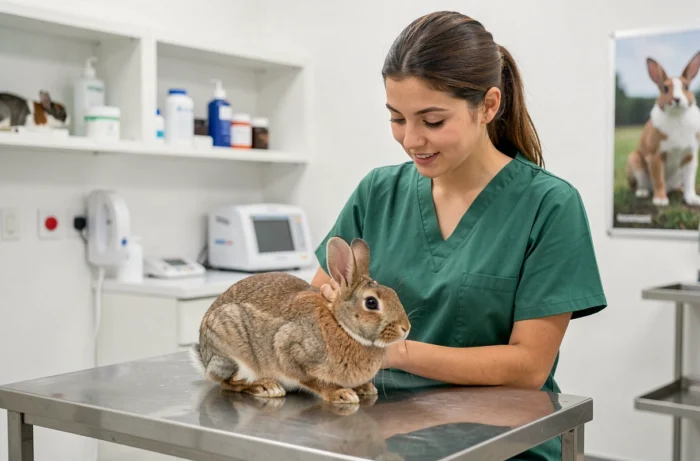
- Rabbits, ferrets, guinea pigs: no mandatory identification, but veterinary follow-up recommended (parasites, dental malocclusion in rabbits)
- Reptiles and exotic birds: certificate of competence for protected species, prefectural declaration, entry and exit register
The legal status of the animal varies according to its species, and the obligations of the owner do as well. Before adopting an NAC, checking the applicable legal framework helps avoid situations of seizure or administrative prosecution.
Animal nutrition: going beyond preconceived ideas about kibble
The nutrition of pets is a rapidly growing market, but reliable benchmarks remain rare for owners. Many choose a food based on packaging or an online review, without reading the analytical composition.
A technical point often overlooked: the ingredient list of dog or cat food is listed in descending order by weight. If “grains” appears first and “meat” in third position, the proportion of animal protein is minor. This detail changes the nutritional quality of the product.

Homemade diet and BARF diet
The homemade diet (prepared at home) and the BARF diet (biologically appropriate raw food) are gaining popularity. These approaches require a precise calculation of calcium, phosphorus, and taurine intake, especially in cats, which do not synthesize taurine and depend entirely on their diet for this amino acid.
Without veterinary follow-up, an unbalanced homemade diet can lead to severe deficiencies within months. Consulting a veterinary nutritionist allows for establishing a formula tailored to the weight, age, and activity of the animal.
Animal welfare: what science really measures
Animal welfare is not limited to the absence of mistreatment. Scientific evaluation protocols rely on five areas: nutrition, environment, health, behavioral interactions, and the mental state of the animal.
A well-fed and housed animal can still suffer from behavioral deficits. A dog left alone for more than eight hours a day without stimulation frequently develops disorders (compulsive licking, destruction, barking). A cat without access to high areas and scratching posts shows signs of chronic stress measurable by cortisol levels.
- Environmental enrichment: rotating toys, vertical courses for cats, varied walks for dogs
- Early socialization: exposure to diverse stimuli before the age of three months reduces phobias in adulthood
- Stress signals to recognize: panting without exertion, dilated pupils, persistently low tail, excessive grooming
Understanding these indicators allows for intervention before the disorder becomes chronic. A veterinary behaviorist can provide a differential diagnosis between an organic pathology and a pure behavioral disorder.

The regulatory framework in France regarding pets is tightening, and knowledge in nutrition or animal behavior is progressing rapidly. Each species imposes its own legal and health constraints, from the simple rabbit to the exotic snake. Staying informed on these topics, through specialized sources and regular veterinary follow-up, remains the best way to ensure a lasting coexistence with an animal.