Buying a wool sweater or a brand-name pair of jeans for just a few euros is the daily routine of thousands of buyers turning to second-hand clothing. The second-hand fashion market is worth several billion euros in France and is growing every year. Not all channels are equal: between online platforms, neighborhood thrift stores, and solidarity shops, the price and environmental impact differences are considerable.
Solidarity shop or online platform: an underestimated price gap
Have you ever compared the price of the same type of clothing between an Emmaüs shop and a resale app? The gap is rarely highlighted, and it deserves attention.
According to the Oxfam France report published on September 10, 2026, a garment costs an average of €3.40 in a solidarity shop, compared to €16.70 in a for-profit store. The report is clear: for small budgets, recycling centers, thrift stores, and associative shops remain the cheapest channel.
Online resale platforms offer an immense catalog and the ability to filter by brand, size, or condition. In return, shipping fees, commissions, and the positioning of brand items drive prices up. A second-hand pair of jeans sold on a popular app often exceeds €15, while a solidarity thrift store offers it for less than €5.
For those looking to refresh their wardrobe at a lower cost, it is possible to discover the offers from Family 2 Family, an initiative that combines low prices with a selection of quality pieces.
Second-hand clothing and carbon footprint: what the Oxfam report reveals
Buying second-hand reduces environmental impact compared to new items. However, the chosen purchasing method changes the equation.
According to the Oxfam France report from September 2026, an online purchase can emit up to five times more CO₂e than a purchase in a solidarity shop. Logistics play a central role: individual packaging, home delivery, returns. In a physical store, there are no packages or carriers.
This observation does not disqualify platforms. It invites a change in habits. Consolidating purchases, opting for pickup at a relay point, choosing a geographically close seller: these reflexes reduce the gap. The best option remains to combine both channels depending on the type of item sought.
Three criteria to limit the impact of an online purchase
- Consolidate multiple items into a single order rather than multiplying individual shipments
- Opt for delivery to a relay point, which shares the trips, rather than home delivery
- Check the seller’s location to shorten transport distance
Anti-fast fashion law 2026: a framework that protects second-hand
Law n° 2026-602, enacted on July 8, 2026, targets the marketing of new products from ultra-fast fashion. It establishes a financial penalty on these products. Second-hand clothing is explicitly excluded from this provision.
This legal point has a direct consequence for buyers: the resale of second-hand items, including those from mass-produced brands, is not affected by the additional costs related to this law. Online thrift stores, solidarity shops, and individuals selling on platforms continue to operate without penalties.
The distribution of unsold items by sellers distinct from producers is also outside the scope of the law. Specifically, an association that collects end-of-line items to resell at reduced prices incurs no penalties. This legislative framework enhances the attractiveness of the second-hand sector compared to low-priced new items.
Recognizing a quality second-hand item: concrete indicators
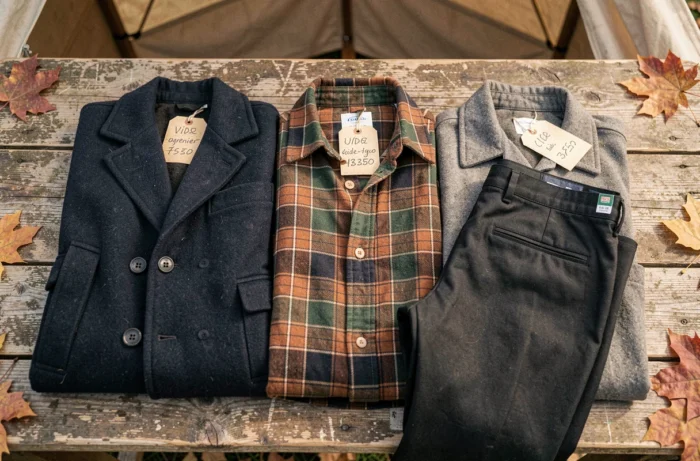
A low price does not guarantee a good deal. The garment must last several seasons. A few simple checks can help sort effectively, whether buying online or in-store.
What to examine before buying
- Stitches and finishes: loose threads, loose seams, or a detached hem indicate advanced wear or fragile construction
- The fabric composition: a thick cotton, linen, or wool garment will last better than a fine synthetic blend, even if the latter looks new
- Wear areas: collars, armpits, crotches, and cuffs are the first areas to wear out. Inspecting them gives a reliable idea of the remaining lifespan
- The brand label: some brands use more durable materials. Spotting a branded piece at a low price in a thrift store often represents the best quality-price ratio
Online, detailed photos are the only tool. A seller who does not show defects or only photographs the garment folded may be hiding flaws. Requesting additional pictures takes only a few seconds and avoids disappointments.
Vintage or simply worn: a distinction that matters
The term “vintage” is sometimes used to justify a high price for a piece that is nothing special. A vintage garment refers to an item that is over twenty years old, often from a cut or style representative of a particular era. A plain shirt from the 2010s does not fall into this category.
Checking the decade of manufacture (cut, label, brand logo from a specific period) helps assess whether the asking price is justified or inflated by a fashion trend.
The second-hand market today offers a sufficiently wide range of channels to dress the whole family without sacrificing quality. Crossing solidarity shops and online platforms remains the most effective strategy to combine low prices, durable pieces, and reduced impact. The 2026 law confirms that this sector benefits from a favorable framework, counter to the tightening affecting ultra-fast new fashion.