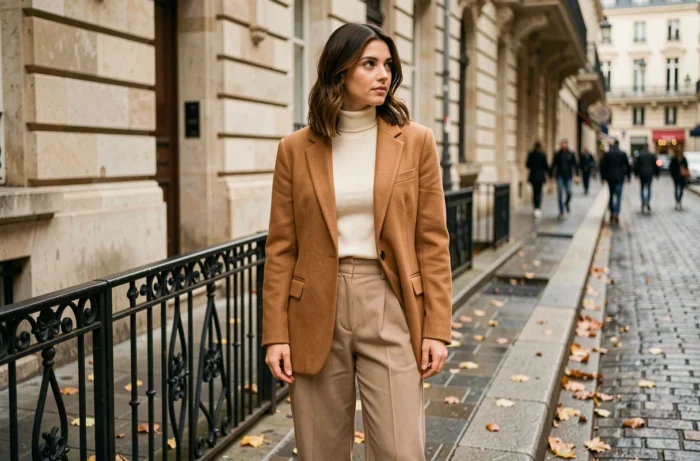
The autumn-winter 2026-2027 fashion shows have set clear directions, and some are already reflected in the shop windows. Soft leather, earthy palettes, fitted silhouettes at the bust and loose at the bottom: this season’s fashion trends prioritize contrasts in textures and volumes. Here are the most striking themes, those that truly change how to compose a daily look.
Digital Product Passport and Textile Traceability in 2026
Have you noticed a QR code sewn onto the label of a recent garment? This little square links to a detailed sheet: origin of the fibers, production locations, environmental impact. This system has a name: the Digital Product Passport.
The European regulation on eco-design for sustainable products (ESPR, EU Regulation 2024/1781), which came into effect on July 18, 2024, provides for the activation of a European register between 2026 and 2028. The gradual obligation for textile products will start from 2027.
In practice, this means that brands are already adapting their collections. The choice of materials, dyes, and finishes takes into account this future obligation for transparency. A mixed wool sweater that cannot trace its supply chain becomes harder to market. This regulatory constraint pushes designers towards traceable materials and short supply chains, which directly influences the textures and colors offered this season.
To follow these developments and spot pieces that incorporate these new standards, the Fuzzunivers website gathers an updated selection of looks and fashion references.
Autumn-Winter 2026 Trend Colors: Brown, Burgundy, and Butter
This season’s palettes move away from saturated hues. Three color families dominate the collections presented on the runways and carried into ready-to-wear.
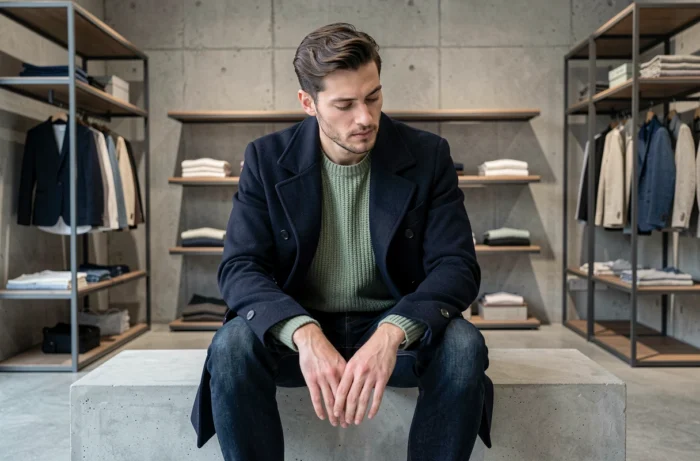
- Chocolate brown and its variations (caramel, hazelnut, terracotta) are found on long coats, midi skirts, and boots. It is the most versatile color of the season, easy to pair with cream or black.
- Deep burgundy, almost wine-colored, replaces bright red. It works particularly well on a flowing dress or a structured blazer, adding intensity without being harsh on the eyes.
- Butter yellow, which appeared in spring, continues in an autumn version on thick knits and accessories (bags, scarves). This soft shade breaks the monotony of dark wardrobes without being flashy.
The common thread of these three palettes: they mix well together. A look combining brown, burgundy, and butter holds up effortlessly, simplifying the composition of outfits on a daily basis.
Silhouettes and Fashion Cuts: The Return of Controlled Volume
After several seasons of widespread oversized cuts, the autumn-winter 2026-2027 shows rebalance proportions. The principle is simple: a loose volume at the bottom calls for a fitted top, and vice versa.
The barrel jean, for example, concentrates volume on the thighs and tapers at the ankle. Worn with a fitted sweater tucked into the waistband, it elongates the silhouette instead of flattening it. This cut requires a bit of rigor in pairing, but the result is significantly more structured than a uniform wide pant.
On the tops side, short colorful jackets (cut above the waist) are gradually replacing long blazers. They work well with a midi skirt or high-waisted pants, creating a visual contrast at the waistline.
Soft Leather as a Key Material
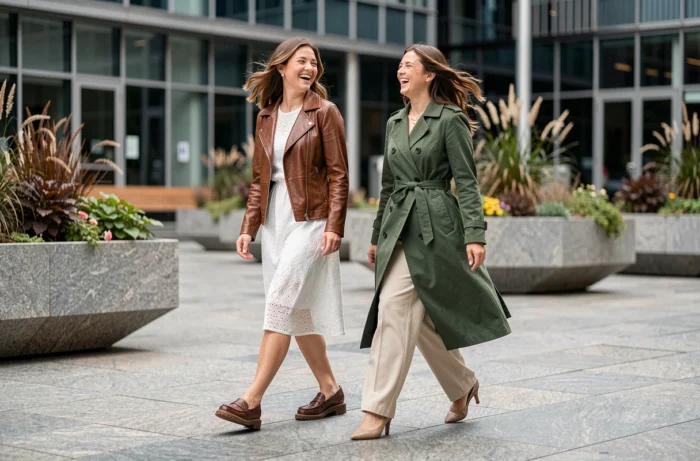
Leather is not new, but its treatment is changing. This season’s collections favor a soft, almost draped leather that bends like fabric. It can be found on short trench coats, flared skirts, and flowing shirts.
This type of leather is worn in layers: a soft leather shirt under a wool coat, for example, adds a layer of texture without stiffening the silhouette. This is a very different use from the classic biker jacket.
Second-Hand Fashion Trends: Sourcing Seasonal Pieces Differently
A notable fact this season: major trends also serve as a buying guide for the second-hand market. Resale platforms and thrift stores are now organizing their offerings based on the directions seen on the runways.
A brown wool coat, a midi skirt in soft leather, a butter yellow sweater: these pieces already exist in the stocks of second-hand clothing. Seasonal fashion becomes a sourcing brief for second-hand, not just a call for new purchases. This approach changes the logic of consumption and allows for following trends on a controlled budget.
Why this shift from classic guides? Most trend articles focus on new items and collections in stores. They overlook that the majority of fashionable silhouettes can be reconstructed from existing pieces, provided you know what to look for.
Seasonal Prints and Materials: What’s Really Worn
Two families of prints stand out this season. Animal prints return in a muted form: leopard patterns in subdued tones, discreet python on accessories. The idea is to use them in touches, not as a total look.
Textured materials (corduroy, twisted knit, light tweed) take over from smooth fabrics. They provide visual relief without resorting to busy prints. A pair of brown corduroy pants paired with a cream twisted knit sweater creates a complete look by playing solely on textures.
- Subtle animal prints on a bag, belt, or scarf are enough to anchor the trend without throwing off an outfit.
- Corduroy, once confined to casual wear, is this season appearing on blazers and structured skirts.
- Thick knits (cables, rice stitches) remain a fall staple, worn loosely over a dress or tucked into high-waisted pants.
The autumn-winter 2026-2027 fashion trends share a common thread: the search for texture rather than effect. Draped leather, corduroy, dense knits, muted colors that combine seamlessly. The most durable pieces of this season are those that will also carry through to the next, whether they are new or thrifted.